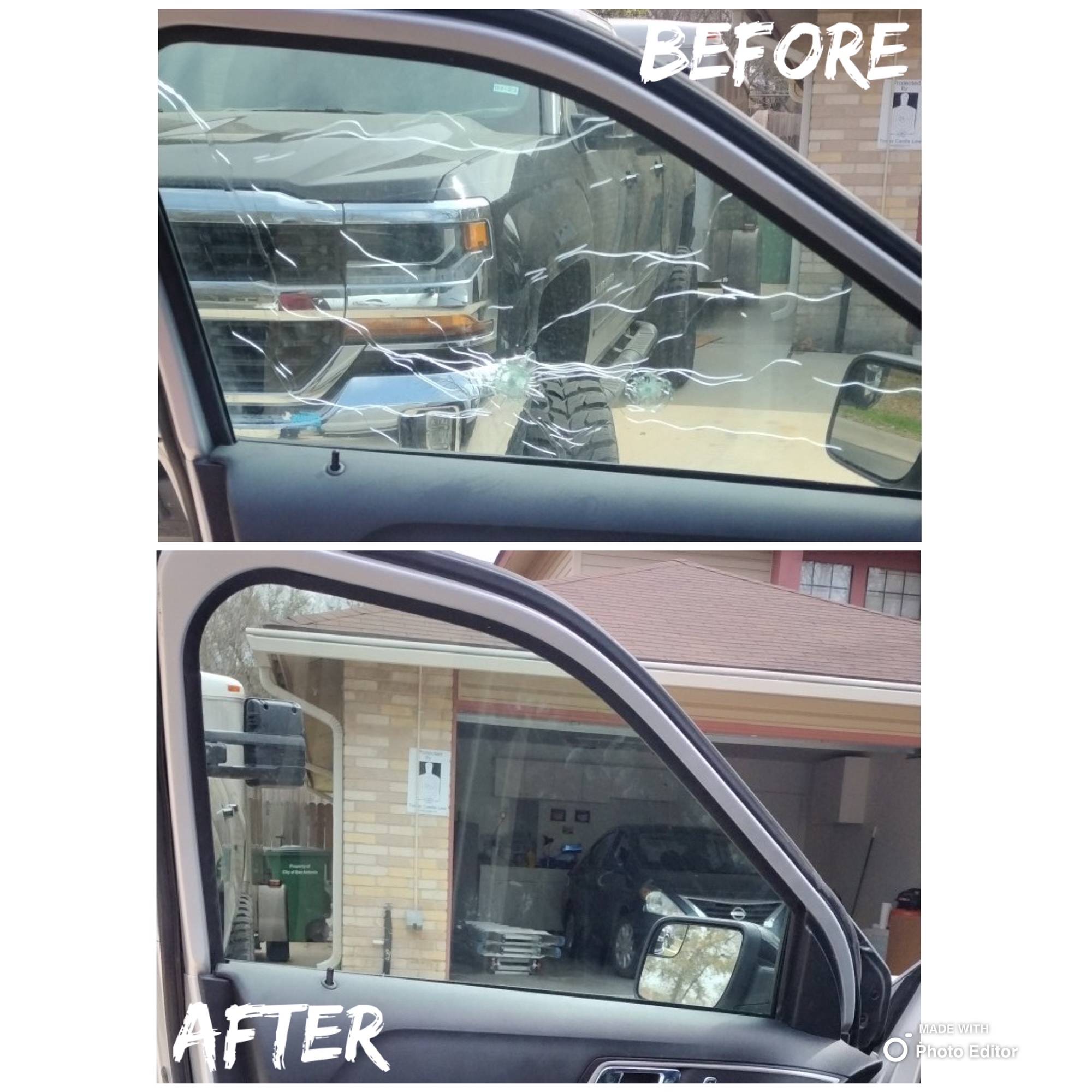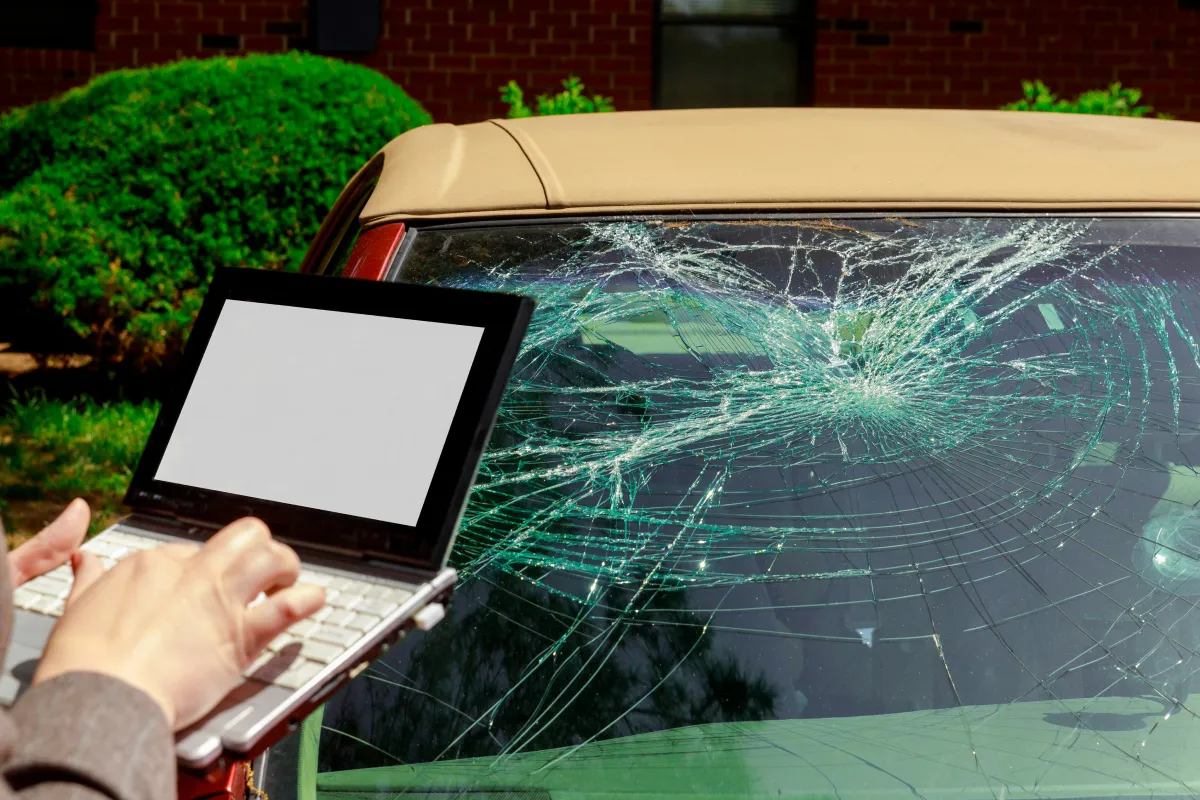
Your windshield and windows may look similar, but their construction can be different. Most everyday passenger vehicles use laminated and tempered safety glass. Knowing the difference helps explain why one piece may crack and stay together while another breaks into many small pieces.
The correct glass depends on the vehicle and the window being replaced. Here’s a simple guide for San Antonio drivers.
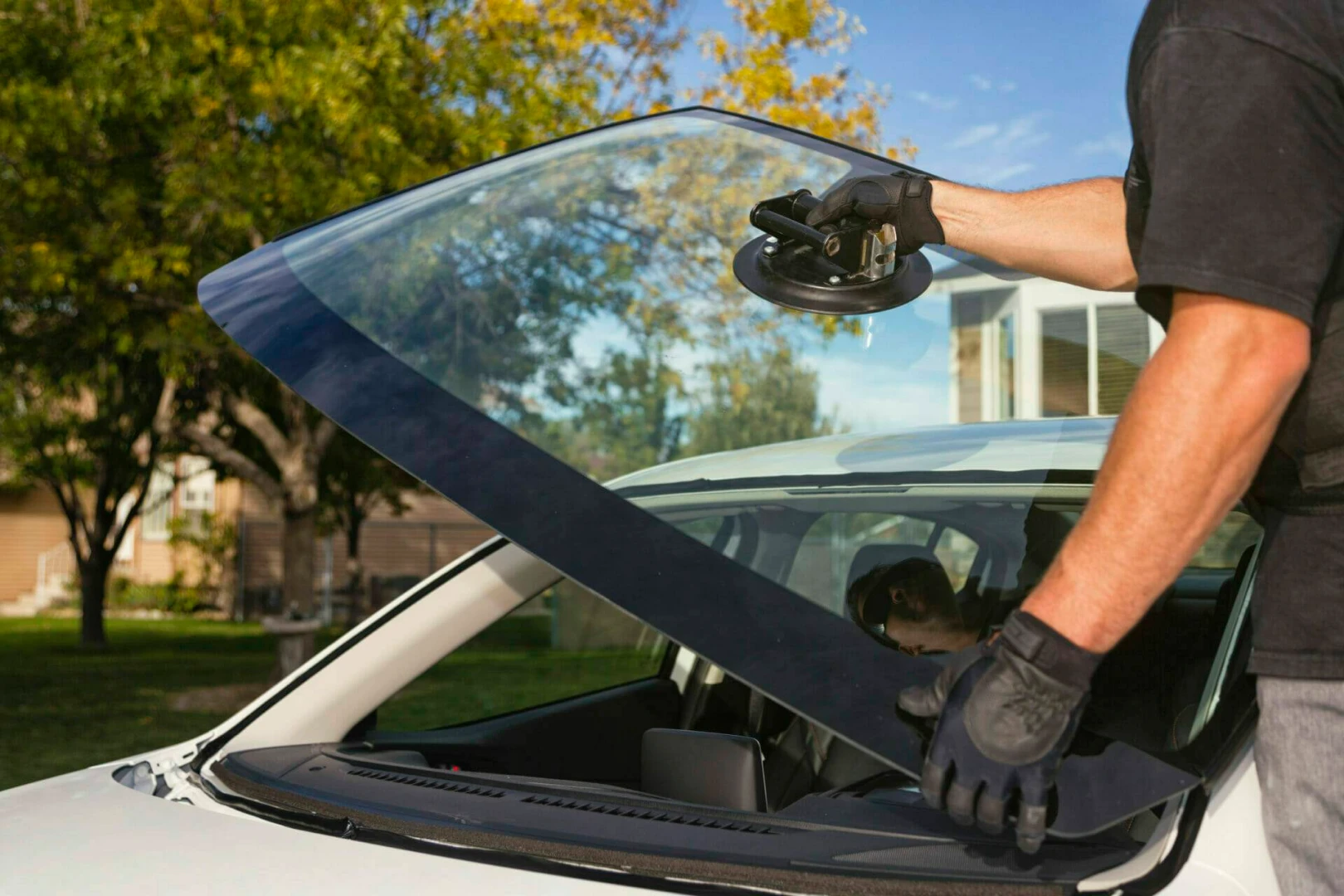
Holding fragments together can reduce the risk of flying glass, but laminated glass can still break and cause injury.
A cracked windshield that remains in place still needs an assessment. Its appearance alone cannot tell you whether it is safe to use or suitable for repair.
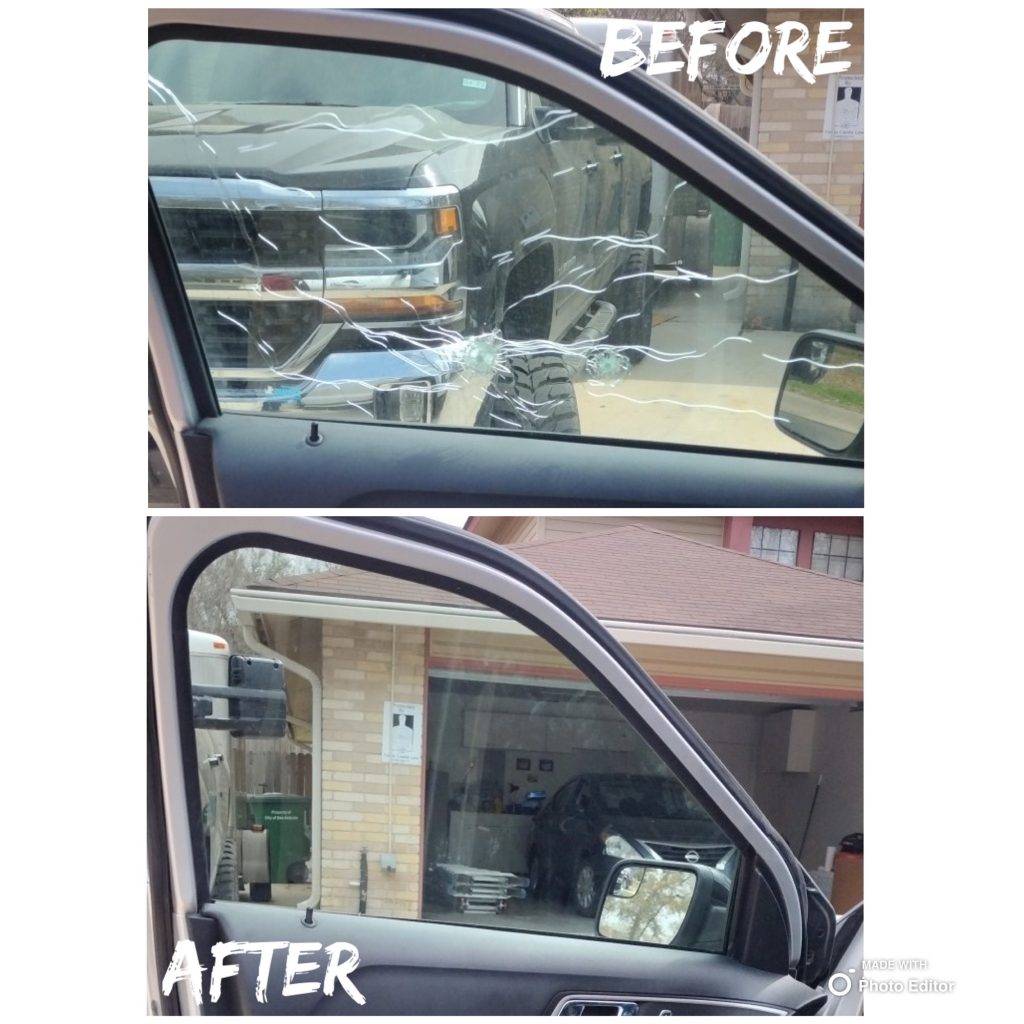
Many vehicles use tempered glass in side windows and back glass.
Those smaller pieces can still cause injury, so avoid touching or brushing broken glass with bare hands. A shattered pane also leaves an opening that needs attention.
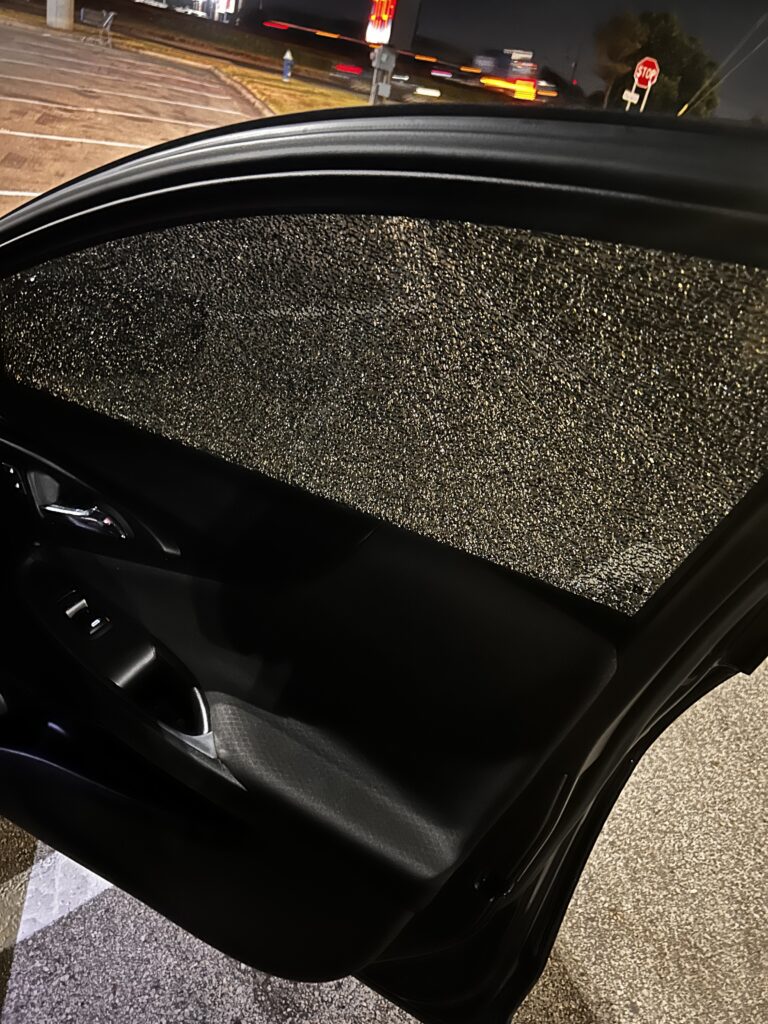
“Door glass,” “vent glass,” “quarter glass,” and “back glass” describe where a piece fits. They do not, by themselves, confirm how it is made. Check the specific vehicle and part before choosing a replacement.
See our windshield services or car window replacement information for help with the affected area.
When requesting a quote, include:
For a windshield replacement: have your VIN available to help identify the right part.
Laminated and tempered describe construction. Other names describe features built into the glass. A vehicle can have laminated glass with several additional features at the same time.
OEM stands for original equipment manufacturer. If a quote uses that term, ask whether it specifies the vehicle maker’s genuine replacement part and request the glass manufacturer and part number.
OEE stands for original equipment equivalent and is used for some aftermarket replacement glass. The name alone does not establish that a particular part meets every vehicle-maker requirement. For example, Stellantis distinguishes glass marketed as OEE from genuine Mopar glass in its replacement guidance. Ask which part is proposed, which options it includes and how it meets the requirements for your vehicle.
Need help identifying the correct part?
Use the Quick Quote Form or call 210-793-7115.
Explore types of glass damage and our windshield sensors guide.
Laminated glass has glass layers bonded around a plastic interlayer that helps hold fragments together after a break. Tempered glass is heat-treated and typically breaks into many smaller pieces. Both can cause injury when damaged. The correct construction depends on the specific vehicle and window.
No. Many side and rear windows use tempered glass, but some vehicles use laminated glass in those positions. The window’s location or appearance alone does not confirm its construction. Have the provider check the vehicle, existing glass markings and replacement-part information.
No. The interlayer helps retain fragments, but laminated glass can still crack, break and cause injury. A cracked windshield that remains in place still needs an assessment; that appearance does not establish whether it is safe to use or suitable for repair.
Do not choose a different construction simply because it fits or costs less. The replacement should follow the vehicle’s original specifications and applicable manufacturer requirements. Ask the provider to confirm the correct part for that particular window and vehicle.
Acoustic glass uses a sound-damping interlayer to help reduce noise entering the cabin. It is an additional glass feature, not a separate window location. Tell the provider if the vehicle has acoustic glass so that specification can be considered when selecting the replacement.
A head-up display can require a windshield designed for the projected image. Mention it when requesting a quote, even if two candidate windshields look alike. The provider should verify the correct HUD-compatible part and the vehicle maker’s requirements.
Mention windshield cameras, rain sensors, heating, a head-up display, antennas and any known acoustic or solar-control features. These may affect the glass, brackets, connections or viewing areas required. The year, make and model are a starting point; equipment and VIN information help identify the correct option.
No label alone establishes that. OEM means original equipment manufacturer; OEE means original equipment equivalent and is used for some aftermarket glass. Ask for the proposed manufacturer and part number, which features it includes, and how it meets your vehicle maker’s applicable replacement requirements.
The permanent markings can help identify the glass manufacturer and glazing information. The DOT manufacturer code identifies the manufacturer, but it is not a complete list of vehicle options. A clear photo of those markings can help the provider research the part alongside the VIN and equipment details.
Use the Quick Quote Form with your contact details, service location, vehicle year, make and model, affected window and a description of the damage. For windshield replacement, include the VIN and known glass or camera features. Photos can help start the assessment; they do not replace an inspection.
Service Coverage and Additional Trip Charge:
Please note that while our mobile service is free in San Antonio, some surrounding areas may incur a small additional trip charge. Don’t hesitate to contact us for details and any limitations regarding our service coverage.