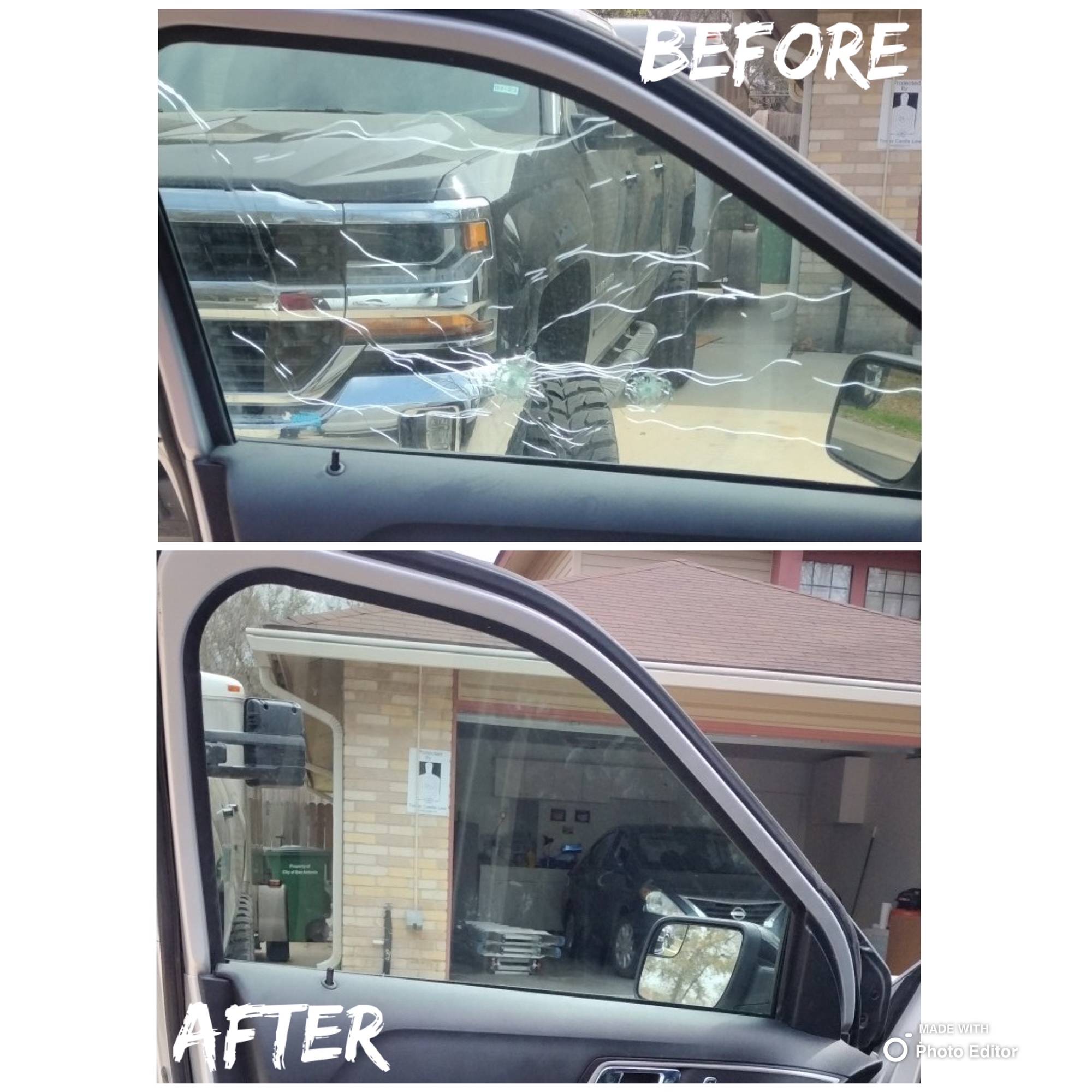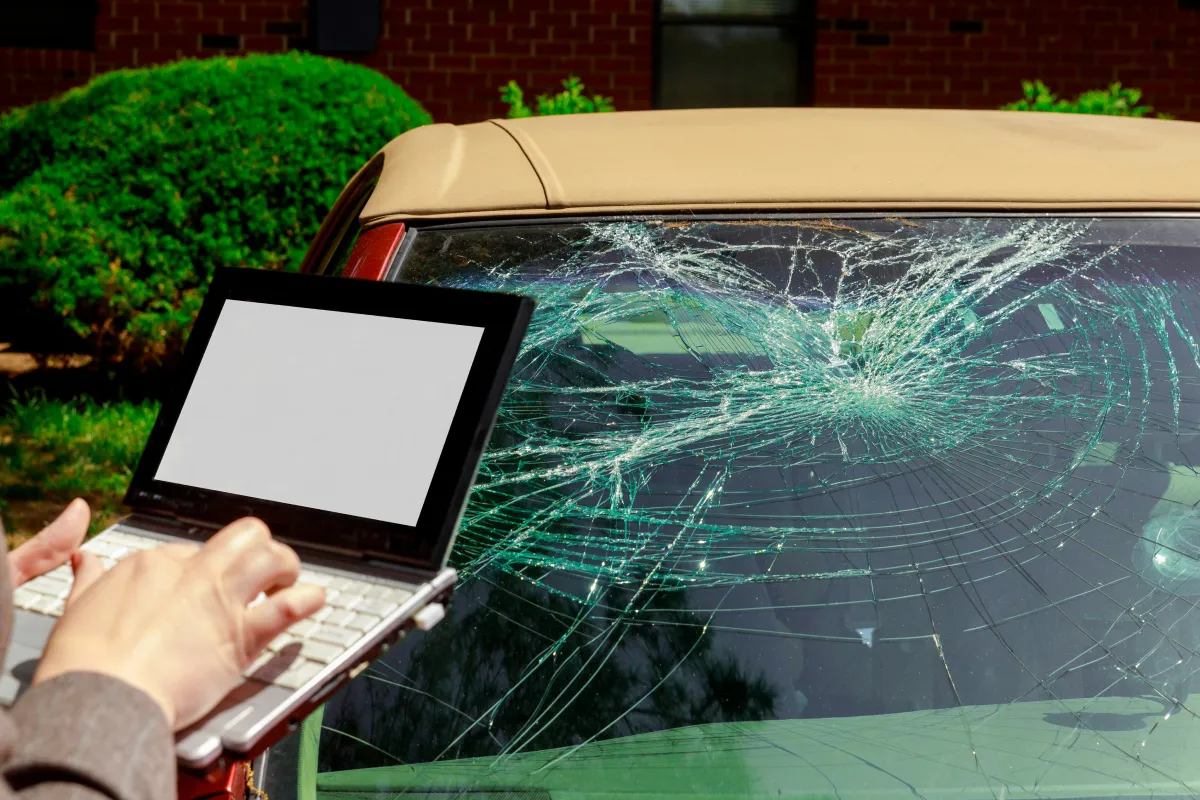
Auto glass damage can look very different from one vehicle to another. These four groups help you describe what you see. Damage can fit more than one group, and a photo does not determine whether repair or replacement is appropriate.
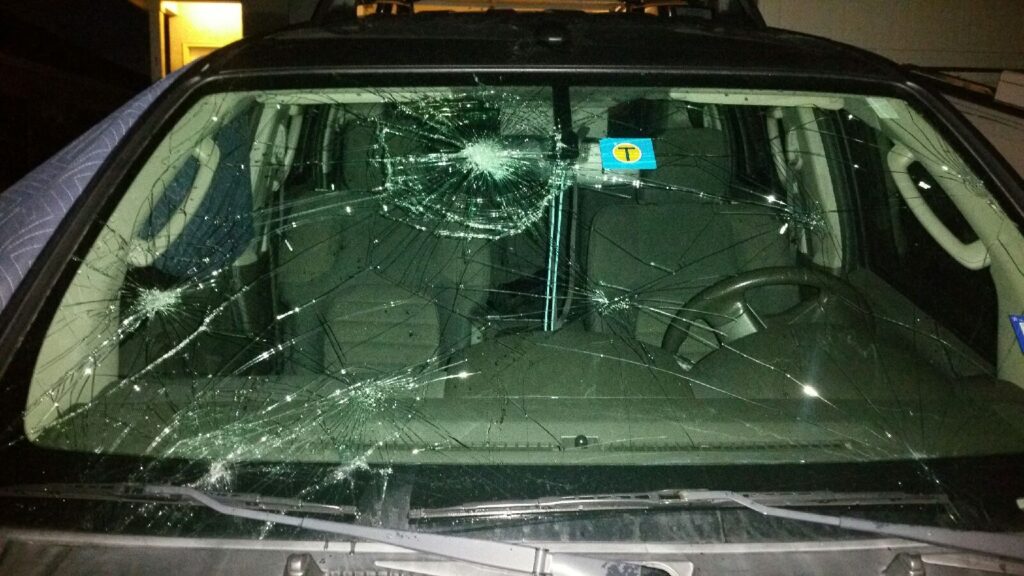
A stress crack needs a technician’s assessment. A photograph alone cannot confirm that diagnosis or explain what caused the crack.
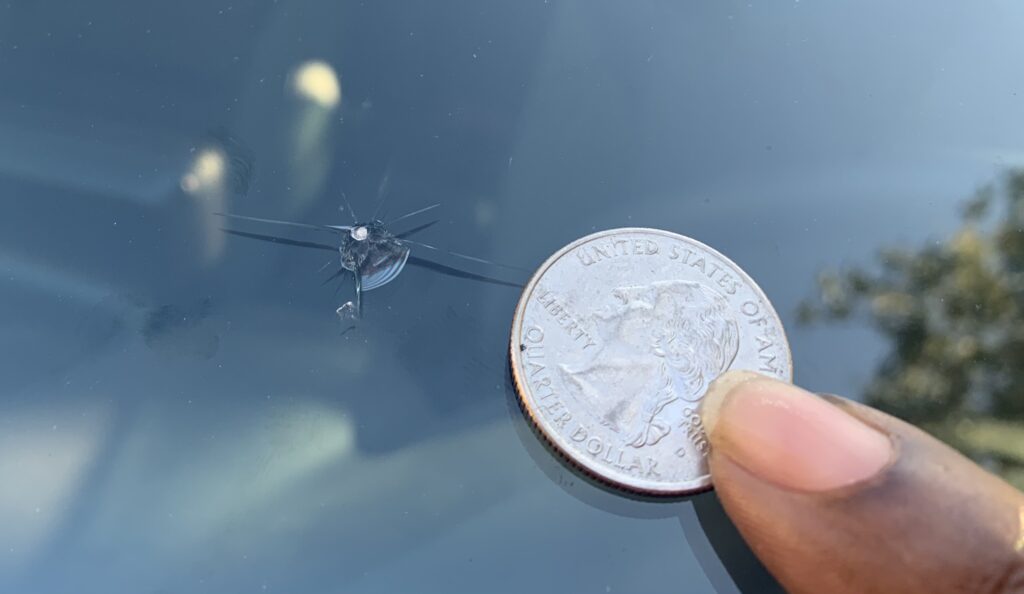
Chip repair may leave a visible mark, and pre-damaged glass can spread during the repair process. See our rock chip repair information and Customer Center disclosures for the applicable terms.
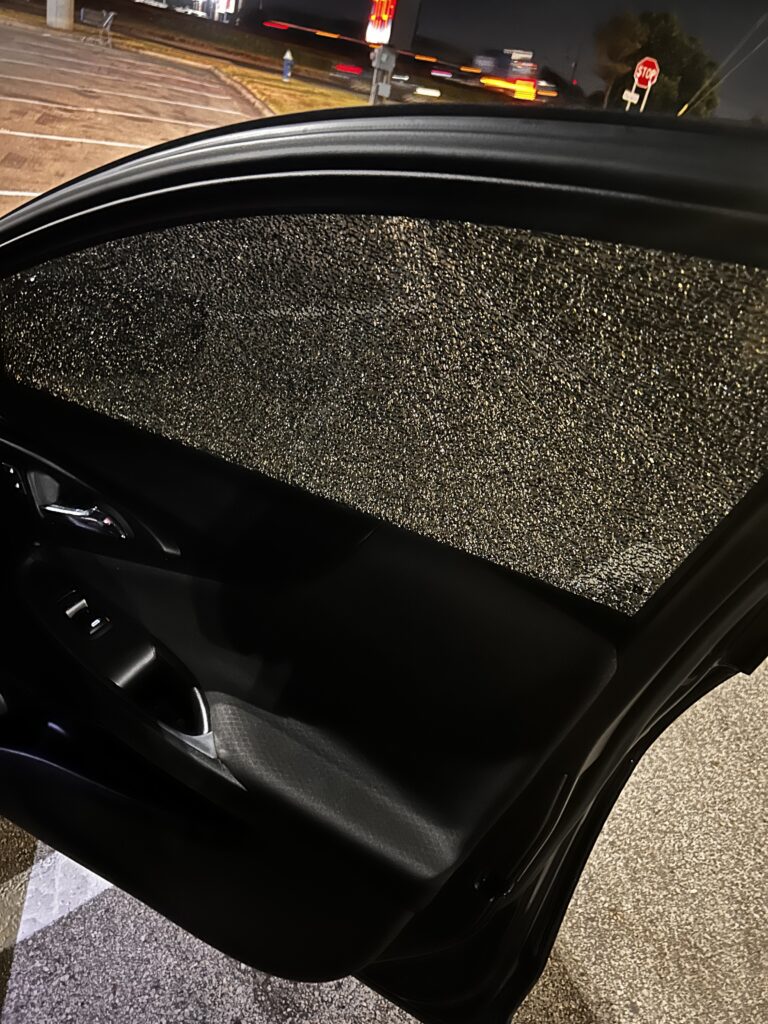
Smashed glass describes extensive breakage, which may include many small fragments or missing sections. The appearance depends on the glass and the damage.
These examples show the visible condition. They do not establish how the damage happened or which service the vehicle needs.

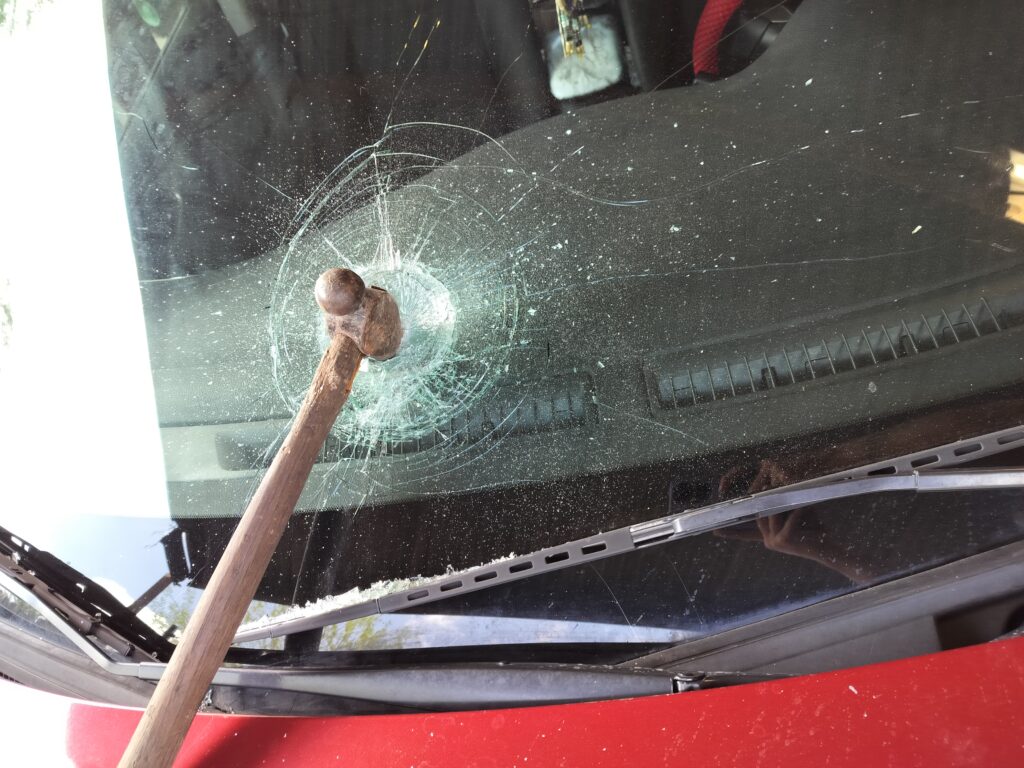
An opening through the glass can be surrounded by cracks, loose fragments, or missing pieces. The shape of a hole alone does not identify the object or event that caused it.
A technician needs to assess the affected glass and the surrounding damage before recommending a service option.
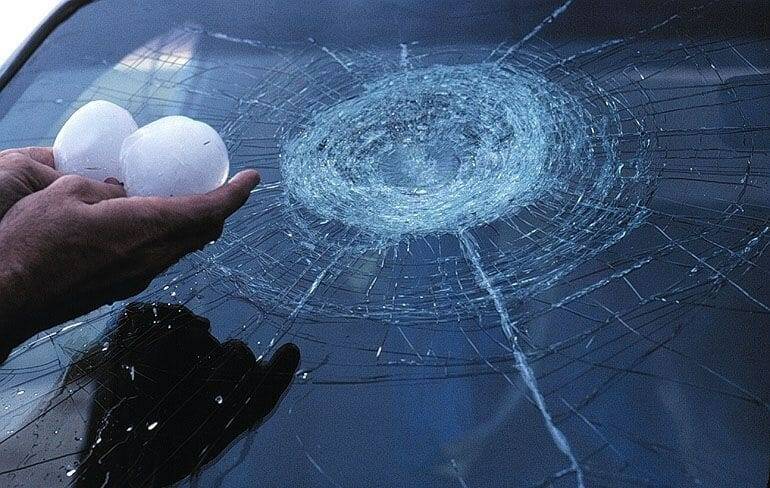
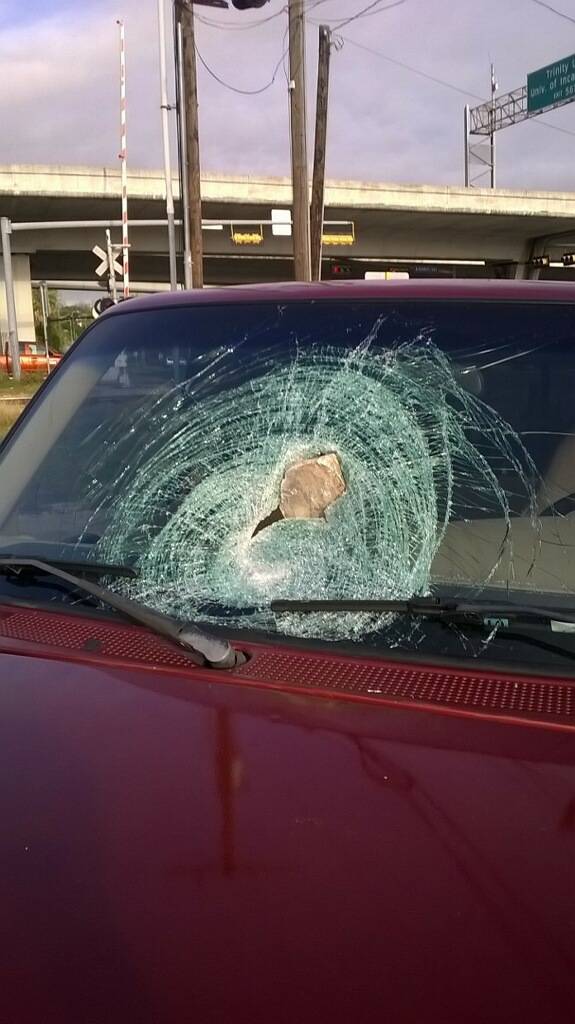
These words can make your description more precise. They describe visible patterns and do not decide whether a repair is appropriate.
A single damaged area can need more than one description. You can simply say what you see: “a round mark with two cracks” is useful even if you do not know its technical name.
Industry terminology: Repair of Laminated Automotive Glass Standard
Tell the provider if the damage is in your normal view of the road or near the camera behind the rearview mirror.
A camera looks through the windshield, so even a small mark in its viewing area deserves attention. Honda’s 2023 CR-V Hybrid guidance, for example, warns that damage and even minor repairs in that area can affect camera operation. The applicable guidance must be checked for your own vehicle.
With the vehicle parked:
Do not press on the damaged area to make a crack easier to see. Keep your hands away from broken edges and loose fragments.
Photos help begin the conversation; they cannot establish the depth, condition or repair suitability of the glass.
The type of glass and the size, location, depth, and condition of the damage help determine the available options.
Photos can help start the conversation, but an inspection may still be needed. A small-looking chip or crack is not a repair guarantee.
A chip usually describes a localized damaged area, often around an impact point. A crack is a line of separation that can extend beyond that area. One damaged spot may include both. These descriptions help explain what you see but do not determine whether repair or replacement is appropriate.
A bullseye is a generally round damaged area. A star break has thin cracks radiating from a central area. A combination break has more than one pattern together. You do not need the technical name to request help: a plain description and clear photos are useful.
No. Size is only one factor. The type of glass, damage location, depth and condition, and applicable vehicle-maker guidance also matter. A small mark near a windshield camera or in the driver’s view may need particular consideration. An assessment is needed before promising a repair.
Yes. Tell the provider when a crack reaches or is close to the glass edge. Include a wider photo showing the edge if you can do so safely. Location is part of the assessment; a photo or the term ‘edge crack’ alone does not establish the available service option.
Yes. The camera looks through a particular area of the windshield, and damage or a repair in that area may affect its view. The requirements differ by vehicle. Point out damage near the rearview-mirror area so the provider can check the applicable manufacturer guidance.
Photos help identify the affected window and visible pattern, but they cannot reliably establish every detail of depth, condition or repair suitability. A provider may need an in-person assessment and vehicle-specific information before confirming the next step.
A shattered pane is different from a localized repairable break in laminated glass. Many side windows are tempered, although some are laminated. Do not assume a windshield-chip repair process applies to the broken side window. Keep clear of fragments and have the correct replacement option assessed.
Keep people and pets away from loose glass and exposed edges. Do not press on the damaged area or handle fragments with bare hands. Contact a service provider and describe the opening and any visibility problem. Do not rely on appearance alone to decide that the vehicle is safe to drive.
With the vehicle parked, take one wider photo showing the affected window and a close-up of the damage without touching it. Add a view of the glass edge or mirror area when relevant. Mention when you first noticed it and whether it has changed. Do not put yourself near loose glass to obtain a photo.
Use the Quick Quote Form or call 210-793-7115. Include the vehicle year, make and model, service location, affected window and what you can see. For windshield replacement, include the VIN and known camera features. The provider can explain the next assessment step without relying on a guessed damage label.
Service Coverage and Additional Trip Charge:
Please note that while our mobile service is free in San Antonio, some surrounding areas may incur a small additional trip charge. Don’t hesitate to contact us for details and any limitations regarding our service coverage.